
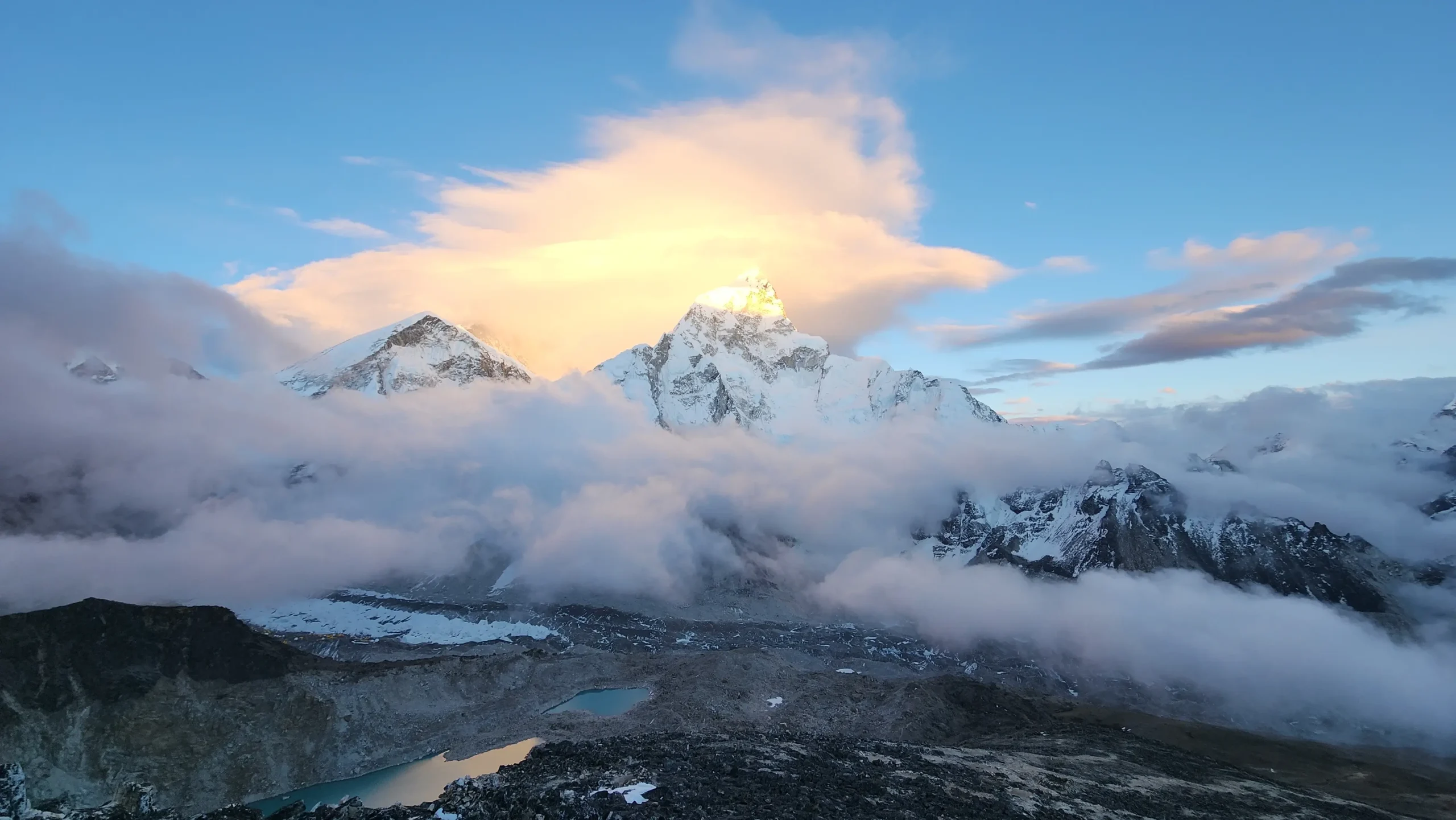
The Everest Base Camp Trek Complete Guide 2026 serves as an essential resource for adventurers seeking to explore one of the world’s most iconic trekking routes. This comprehensive guide offers detailed information on trail logistics, preparation tips, and cultural insights to ensure a rewarding experience. Whether you are a seasoned trekker or a novice explorer, this guide equips you with the knowledge to navigate the journey to Everest Base Camp with confidence. Discover the breathtaking landscapes and rich heritage that await you in this remarkable expedition.
Permits required for Everest Base Camp
Trek to Everest Base Camp requires two mandatory permits:
1. Sagarmatha National Park Entry Permit
This permit allows entry into Sagarmatha National Park, home to Mount Everest alongside a collection of towering Himalayan giants. This permit grants access not only to Everest Base Camp but also to Gokyo Lake, Chola Pass, Renjola Pass, and Kongma La Pass. There are different checkpoints after Lukla Airport where the Sagarmatha National Park Entry Permit can be obtained. The permit should be obtained during the journey in the presence of trekkers themselves, where documents like a passport are mandatory for the permit. The fee for a permit for foreign trekkers is approximately $25.
2. Khumbu Pasang Lhamu Rural Municipality Permit
This local permit is required to enter the Khumbu region, which helps fund local infrastructure and community development. It can be obtained in Lukla or Monjo. The fee is approximately $25 for a foreign national.
Important Note
The TIMS Card was replaced by the Khumbu Pasang Lhamu Rural Municipality Permit in 2018. So, the TIMS Card is no longer required.
The total permit cost for Foreign Nationals costs approximately $50.
Common Mistakes that should be Avoided during the Everest Base Camp Trek
The Everest Base Camp is a remarkable journey that escorts us through the heart of the Himalayas, offering unparalleled mountain scenery, rich local culture, and the opportunity to stand in the shadows of the world’s highest peak. However, the trek’s demanding environment and high-altitude conditions require proper planning, careful preparation, and quick decision-making. Avoiding the following common mistakes can significantly enhance both safety and the overall trekking experience.
Inadequate Acclimatization
The most critical and serious mistake trekkers make is underestimating the effects of altitude. As the trail ascends beyond 5,000 meters, oxygen levels decrease substantially, increasing the risk of Acute Mountain Sickness. One of the best ways to avoid Altitude Sickness is to climb gradually and spend extra acclimatization days in Namche Bazar and Dingboche, giving your body time to adapt to the thin air at high altitude.
Underestimating Himalayan Weather Conditions
The weather in the Everest region is indeterminable and unpredictable. Conditions can shift from clear skies to cloudy, snowfall, or even strong winds within a matter of time. Trekkers should be equipped with proper layers, waterproof clothing, and be prepared to withstand cold temperatures, even during peak trekking seasons.
Insufficient Physical Preparation
While the Everest Base Camp Trek does not involve technical mountaineering, it demands physical strength for multiple consecutive days. Going on a trek without adequate cardiovascular conditioning or endurance training can lead to excessive fatigue and make the journey feel more exhausting. A structured fitness training before the trek is highly recommended.
Packing Too Much
Overpacking is a huge mistake among first-time trekkers. A heavy backpack not only increases physical strain but can also diminish overall comfort and the trekking experience. Prioritizing lightweight, functional equipment and packing only essential items significantly enhances the trekking experience.
Poor Hydration and Nutrition Practice
High-altitude environments accelerate fluid loss. Failure to maintain adequate hydration and caloric intake can impact performance and recovery. Trekkers should aim to drink sufficient water throughout the day and consume balanced meals rich in carbohydrates and nutrients.
Ignoring Early Symptoms of Altitude Illness
Headaches, shortness of breath, nausea, unusual fatigue, and dizziness are not just normal consequences of trekking. These symptoms are the warning signs from the body that indicate the onset of altitude-related illness, which can escalate rapidly if left unaddressed. Recognizing warning signs early and taking appropriate action is crucial.
Neglecting Travel and Evacuation Insurance
The remote and rugged nature of the Everest region is a reminder that health is not something that should be taken for granted. Emergency medical assistance or even helicopter evacuation might be required at any time. Comprehensive travel insurance that specially covers high-altitude trekking and emergency rescue operations is an indispensable part of trek preparation.
Best Time for Everest Base Camp Trek
Choosing the right season is one of the most crucial factors for a successful, comfortable, and enjoyable trek. While the trail is accessible throughout most of the time of the year, weather conditions, visibility, and trekking comfort vary significantly between seasons. Understanding these seasonal differences can help trekkers plan the ideal adventure journey.
Everest Base Camp Trek during Spring Season (March to May)
Spring is widely regarded as one of the best times to trek to Everest Base Camp. Throughout this season, the temperatures are moderate, the skies are generally clear, and the surrounding landscapes come alive with blooming rhododendron forests. The stable weather windows also make spring the best time to trek for Everest, meaning the trails and teahouses are lively with both trekkers and mountaineering expeditions. Trekkers can enjoy spectacular mountain views, although trails and teahouses tend to be busier than usual.
Everest Base Camp Trek during Autumn Season (September to November)
Autumn is considered the peak trekking season in the Everest region. Following the monsoon rains, the skies become exceptionally clear, providing breathtaking views of the peaks.
Stable weather conditions, excellent visibility, and comfortable daytime temperatures are what trekkers enjoy throughout the trek, so it is the most preferred choice for most trekkers. The trails are lively with visitors from all around the world in this peak season.
Everest Base Camp Trek during Winter Season (December to February)
Winter offers a quieter and more peaceful trekking experience. The trails are less crowded, and the mountain scenery can be stunning under clear skies.
However, the temperature can drop well below freezing, especially at higher altitudes. Snowfall may occasionally affect trail conditions and flight schedules. Winter trekking is the best option for experienced adventurers who are prepared for an extreme journey.
Everest Base Camp Trek during the Monsoon Season (June to August)
The monsoon season is generally considered the least favorable time for the Everest Base Camp Trek, as heavy rainfall can result in slippery trails, reduced visibility, and frequent flight delays or cancellations due to unpredictable weather.
Cloud cover often obscures mountain views, limiting one of the trek’s greatest motives. Nevertheless, the landscape becomes lush and green, and trekkers seeking extreme adventure may find this season appealing.
Which season is best for trekking to Everest Base Camp?
For most trekkers, the ideal time for the Everest Base Camp Trek is during the spring (March to May) and autumn(September to November) seasons. These months offer the best combination of stable weather, clear mountain views, and a comfortable journey.
Conclusion
The Everest Base Camp Trek can be undertaken throughout the year, but selecting the right season can greatly enhance the experience. Whether the surrounding varies during each season, each period offers a unique perspective on one of the world’s most iconic trekking destinations.
Everest Base Camp Trek Difficulty
The Everest Base Camp Trek is considered a moderate trekking difficulty. It does not require technical climbing skills; the high altitude, long walking hours, and steep uphill trails make it physically demanding.
The main difficulty for a number of trekkers comes from altitude sickness, as trekkers climb over 5,300 meters. Daily walking of 5-7 hours on uneven terrain also adds to the difficulty in the journey. With proper fitness and acclimatization, most people can complete it with a comfortable and successful journey, witnessing the majestic scenery of the Himalayas.
Everest Base Camp Trek 12-day Itinerary
Day 1: Kathmandu – Lukla – Phakding
The journey begins with an early flight from Kathmandu Airport to Lukla, one of the most thrilling mountain airports in the world due to its elevated and short runway. After landing in Lukla airport, also known as Tenzing-Hillary Airport, the trek officially starts. The trail is relatively easy, and after walking for 3-4 hours, you can reach Phakding, a peaceful riverside village ideal for your first overnight stay.
Day 2: Phakding – Namche Bazaar
This is a more demanding day with continuous ups and downs. You will cross several long suspension bridges, including the famous Hillary Bridge. Namche is the main trading hub of the Khumbu region, offering any kind of necessary items from food to gear, and also the first clear glimpse of Everest on a good weather day.
Day 3: Acclimatization Day at Namche Bazaar
A rest day is crucial for altitude adjustment. Instead of complete rest, trekkers usually take a short hike to higher viewpoints or Khumjung village. These hikes help your body adapt while offering stunning panoramic views of Everest, Ama Dablam, and Lhotse. Namche itself is a vibrant town with cafes, museums, and markets where you can do different, unique activities.
Day 4: Namche Bazar – Tengboche
The trail offers spectacular mountain scenery throughout the day with continuous views of Everest, Ama Dablam, and Nuptse. After descending to the Dudh Koshi River and then climbing again, you reach Tengboche.
Day 5: Tengboche – Dingboche
The route continues through the forest of rhododendron and gradually transitions into alpine landscapes. The air becomes thinner as altitude rises. You pass villages like Debuche and Pangboche before reaching Dingboche, a beautiful place surrounded by stone-walled fields.
Day 6: Acclimatization Day at Dingboche
Another important altitude adaptation day to adapt to the trek. Most trekkers prefer to hike to Nagarjuna peak(also known as Nangkartshang Peak), which is above 5000 meters / 16,677 ft. Dingboche is colder than Namche, emphasizing the increasing altitude.
Day 7: Dingboche – Lobuche
The landscape becomes harsher as you ascend. You pass Thukla Pass, where memorials are built in honor of climbers who lost their lives during the Everest Journey. This is an emotional and reflective section of the trek. From here, the trail climbs steeply to Lobuche, a small settlement surrounded by glaciers.
Day 8: Lobuche – Gorakshep – Everest Base Camp
This is an important day of the trek. The trail leads through rocky moraine paths alongside the Khumbu Glacier. Your first reach Gorakshep, the last settlement before Everest Base Camp. After a short rest, you can continue to EBC. Standing at the base of the world’s highest mountain is a historic and unforgettable moment in itself. After spending time there, you can return to Gorakshep to pass the night.
Day 9: Gorakshep – Kala Patthar – Pheriche
An early morning hike to Kala Patthar is one thing that you shouldn’t miss in the EBC trek. This viewpoint offers the best panoramic views of Everest glowing at sunrise and the best close-up perspective of Everest’s summit. After descending back to Gorakshep, you can continue down to Pheriche, where the air feels noticeably thicker and richer in oxygen.
Day 10: Pheriche – Namche Bazar
This long descent begins from here. Although the distance is significant, the journey might be easier due to the presence of a higher oxygen level. You retrace your steps through Pangboche and Tengboche, eventually reaching Namche Bazaar the same day.
Day 11: Namche Bazaar – Lukla
This is the last trekking day for Everest Base Camp. You descend steep trails and cross suspension bridges with a lifetime achievement, enjoying the scenic beauty. Reaching Lukla is both a relief and a celebration, marking the completion of the trekking journey.
Day 12: Lukla – Kathmandu
An early morning flight takes you back to Kathmandu. This day usually includes rest, celebration, and reflection on the completed trekking journey.
Frequently Asked Questions of Everest Base Camp Trek (FAQs)
How difficult is the Everest Base Camp Trek?
The Everest Base Camp is considered a moderately challenging trek, which does not require any technical climbing skills. Trekkers must walk for several hours daily and cope with high-altitude conditions, which demand physical and mental strength.
How much does the Everest Base Camp Trek cost?
The total cost of the Everest Base Camp Trek varies with the budget and comfort level of the journey. While a normal low-budget EBC trek costs around $1200 to $1500, a comfortable trek with good accommodation and guide services might cost around $2000, where insurance and permits are included.
Can beginners do the Everest Base Camp Trek?
Yes, beginners can complete the trek without any difficulties. But before they do, they require proper preparation, a reasonable fitness level, and sufficient acclimatization during the journey.
How many days are needed for the trek?
A standard Everest Base Camp Trek requires 12 days, including acclimatization days and travel to and from Lukla.
Do I need a guide for Everest Base Camp?
An experienced guide can easily navigate the trails; hiring a guide is highly recommended for safety, local knowledge, and logistical support.
What permits are required?
Trekkers require Sagarmatha National Park Entry Permit and the Khumbu Pasang Lhamu Rural Municipality Permit to enter the Everest region, which can also give access to different other places like Gokyo Lake, Chola Pass, Renjola Pass, and Kongma La Pass.
Is travel insurance mandatory?
Travel insurance is not legally mandatory, but it is strongly recommended before trekking to high-altitude places like Everest Base Camp. A policy covering high-altitude trekking and emergency helicopter can be lifesaving in case of illness or accidents.
Packing List for Everest Base Camp Trek
Well-planned packing is essential for a safe and comfortable trekking experience. Since the trek involves varying weather conditions and high altitude, packing should focus on lightweight, functional, and layered essentials.