+977 9813641443
INFO@HIKETOHORIZON.COM

The Everest Base Camp Trek is a renowned journey that attracts adventurers from around the globe. This trek provides an unparalleled opportunity to experience the breathtaking landscapes of the Himalayas while immersing oneself in the rich culture of the Sherpa people. Travelers on the Everest Base Camp Trek will encounter challenging terrains, making it a rewarding expedition for those seeking both physical challenge and natural beauty. This trek culminates at the iconic base camp, situated at the foot of the world’s highest peak, Mount Everest.
Tribhuvan International Airport (Google Map)
Here are some highlights of the Everest Base Camp Trek that make the Everest Trek special from other treks.
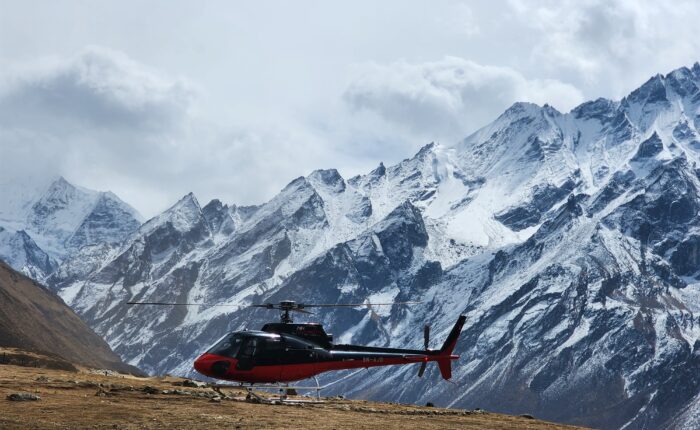
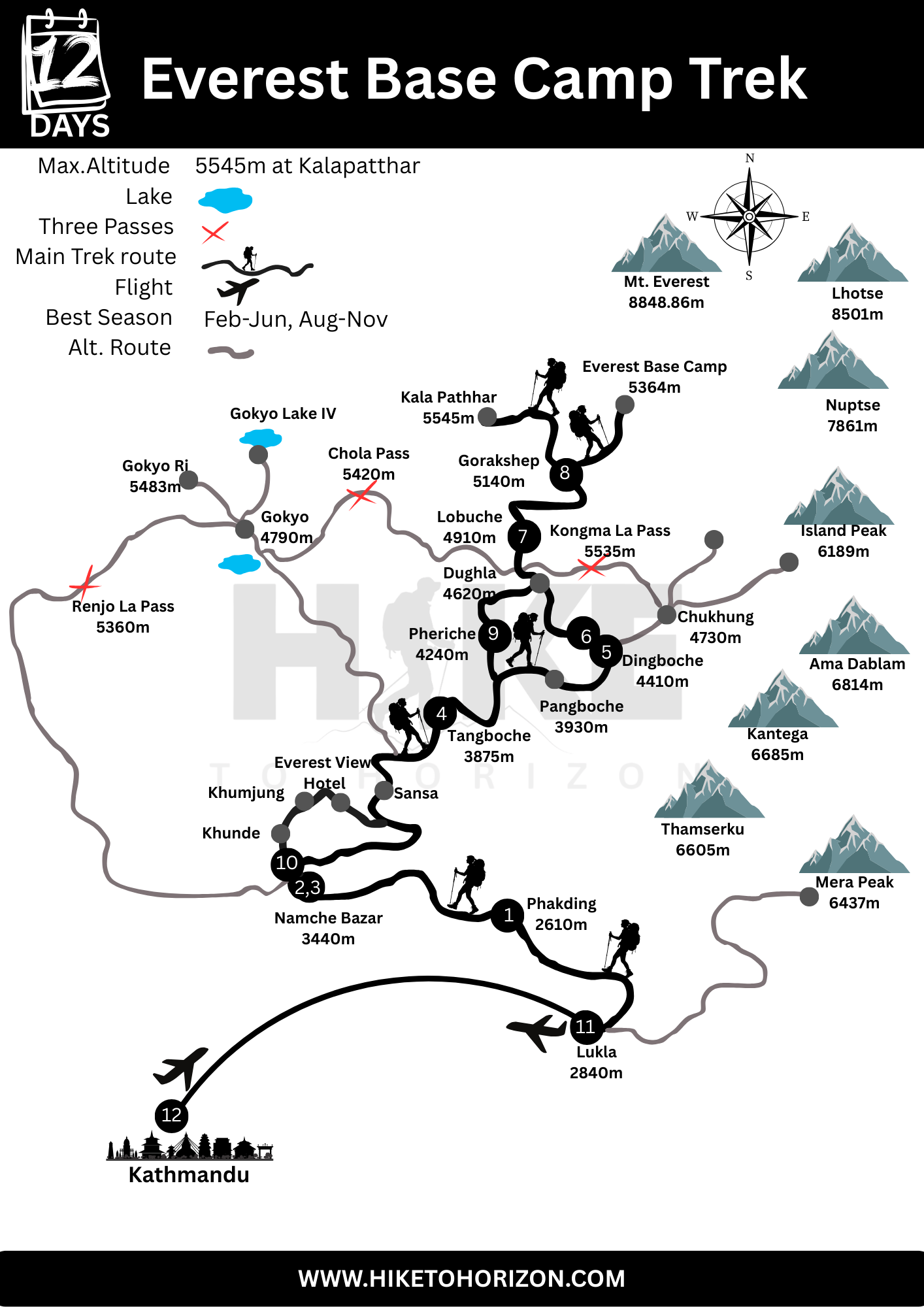
Everest Base Camp Trek begins with an exciting mountain flight from Kathmandu to Lukla Airport, one of the most dangerous and thrilling airports in the world, which is surrounded by dramatic Himalayan scenery. You will have your breakfast at Lukla at an altitude of 2860meters. After having your 1st meal of the day, your trek will begin following the gentle descent through pine forests and traditional Sherpa villages.
The trail follows the beautiful Dudh Koshi River, crossing suspension bridges decorated with colorful prayer flags. After crossing several small towns and villages, you will reach the peaceful village of Phakding, where you will spend your first night in the Everest Region.
After the amazing breakfast in Phakding, your day 2 journey will start. The trekking trail continues alongside the Dudh Koshi River through beautiful forests and several suspension bridges. You will pass through small settlements, including Monjo. Monjo is where the entrance to Sagarmatha National Park is located.
After hiking down for 20 minutes, the trail gradually ascends before the challenging climb to Namche Bazar begins. Along the way, weather permitting, you can have the first glimpse of the world’s highest peak, Mount Everest. Before reaching Namche Bazar, you will explore one more checkpoint where your permits are verified again.
Namche Bazar is the vibrant Sherpa capital of the Khumbu region. It is the gateway to Everest Base Camp and a major city of this region. You can encounter cafes, bakeries, gear shops, and stunning mountain views like Kongde.
To have a successful completion of the Everest Base Camp trek, acclimatization is a must. It helps to adjust your body to that surrounding. Acclimatization day doesnot means of taking rest. On that day, you will be having a short hike nearby and gaining some elevation.
After having breakfast, we will start our hike up to the Everest View Hotel, which is at an altitude of around 3800. On the way to the hotel, we will be exploring Sagarmatha Next. This organization is working to manage the garbage of the Khumbu Region. We can see the amazing design of waste particles collected from that region. Gradually and slowly, we will continue our journey to the Everest Hotel and enjoy the amazing Everest Panorama. Mount Ama Dablam, one of the most beautiful mountains in the world, can be seen from here. Having a coffee with that mesmerizing view will surely be the best experience of your life.
To adjust that elevation, we have to spend a minimum of 45 min to 1 hour. This will help you in the coming days, surely. It will be very easy to hike down to Namche Bazar as we are hiking down now. Finally done for that day, at another time, you can enjoy exploring Namche Bazar.
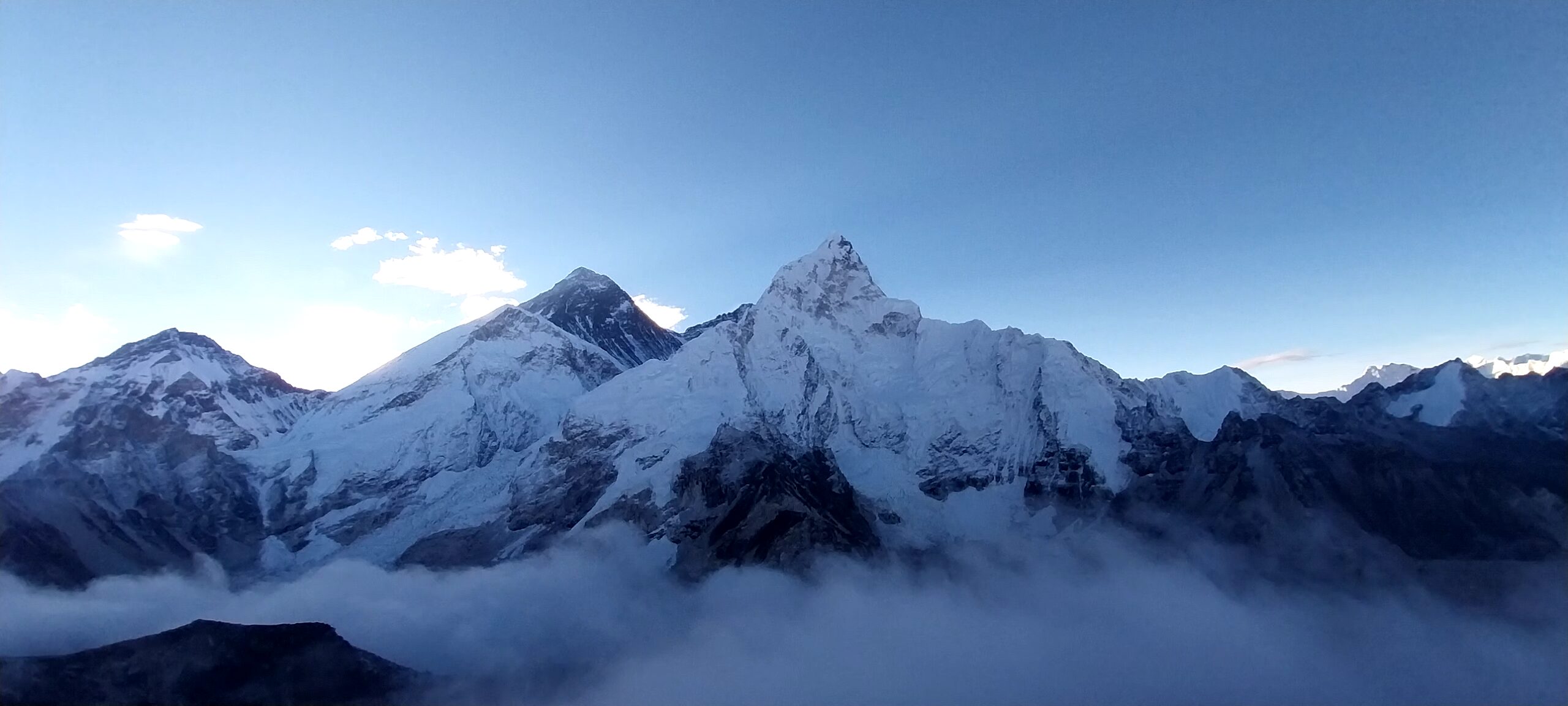
Today is the best day to explore the most spectacular mountain scenery of the trek. The trail contours high above the valley with the magnificent views of Mt. Everest, Ama Dablam, Nuptse, Kangtega, and other Himalayan giants.
The trail is gradually descending to the river at Phunki Tenga. Once you reach Phunki Tenga, you will then begin a steady uphill climb through Rhododendron forests to Tengboche. Tengboche Monastery, the largest monastery in the Everest region, is located there. Depending on your pace and the conditions, the trek may continue further to Somare for overnight accommodation; otherwise, we will be staying in Tengboche.
The trekking trail passes through the beautiful Pangboche village on this day. You will explore a closer view of Ama Dablam on the way to Dingbouche. Pangboche is the station to the Ama Dablam base camp, and one can see Mount Everest from this station. The landscape becomes more rugged and alpine as the trail gradually climbs above the tree line.
Crossing multiple rivers and yak pastures, the route will take you to Dingboche. Dingboche is a beautiful village surrounded by stone-walled fields and dramatic Himalayan scenery. This is the place where you will spend one night extra for acclimatization.
Another crucial acclimatization day at an elevation of 4410 meters allows your body to adjust to the increasing altitude. A hike to Nagarjun Hill, which is at around 5000 meters, will provide spectacular views of Makalu, Lotse, Ama Dablam, and the Imja Valley. These are the major attractions of that day. The hike to Nagarjun Hill is also important because the next day you will be staying at an altitude of 4900 meters.
After hike the remaining day can be spent relaxing, exploring the village, and preparing for the next adventure of tomorrow.
Today you will gain around 500 meters of elevation. The trail will enter the high alpine terrain of the Khumbu Glacier region. The trekking route gradually ascends from Dingbouche to Thukla. Once you cross Thukla in around 1 hour, the trail is a steep climb up to the memorial area, which is dedicated to the climbers who lost their lives during the Everest Expedition.
From the memorial area, the trail follows the glacier moraine with incredible mountain views. The route is gradually up, so you don’t need to worry about going up to Lobuche, which is at an elevation of around 4940 meters. This is a somewhat challenging day for trekkers to be staying at that elevation. So a short hike nearby is recommended for the trekkers to acclimate their bodies.
Following rocky trails and encountering the towering Himalayan giants, you will reach Gorakshep. As Gorakshep is the last settlement before Everest Base Camp. And this is one of the most exciting days of your trek.
After having lunch and a short rest, hiking will continue to the Everest Base Camp. Hiking uphill and downhill will take you to the Everest Base Camp. Standing at the base of the World Highest Mountain in the World is itself an unforgettable achievement. You will be surrounded by the Khumbu Icefall and Mount Everest itself. This moment is the major highlight of your entire Everest Base Camp Trek.
After achieving our goal to reach base camp, we will get back to Gorakshep for an overnight stay.
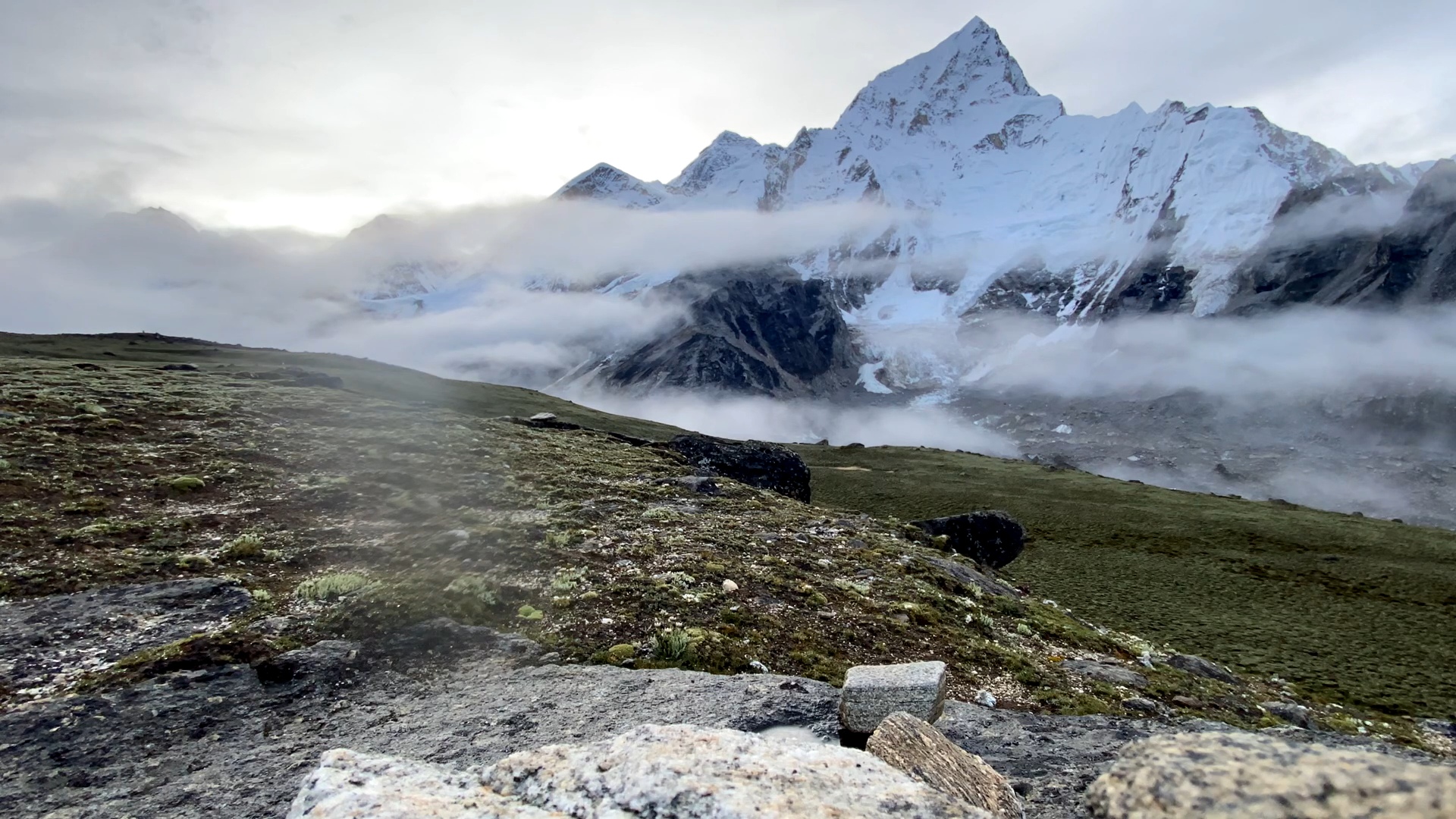
Kala Pathhar is known as the viewpoint in the Everest region. The best view of Mount Everest, Nuptse, Pumori, and many other peaks is seen from this point. The sunrise over these peaks looks more amazing. Although the trail is challenging, the mountain panorama is worth it.
After having the incredible scenery, descend back to Gorakhshep for breakfast before trekking downhill to Pheriche or Pangboche for an overnight stay.
Crossing through the rhododendron forest, Sherpa villages, and several suspension bridges, you will head towards Namche Bazar. The journey today is more relaxed and comfortable as you are trekking downhill and a small part of the time uphill.
Enjoy the night in Namche Bazar with good Everest memories, celebration with the team with the good food that you were missing for a few days.
This is your final trekking day, retracing the route along the river Dudh Koshi through traditional villages and the forest. You have to fill out the exit information at the checkpoint. After reaching your last point, Lukla, your trekking journey comes to an end. And time to celebrate that moment with the guide and porters. Hiking for 11 days comes to an end, and it’s time to relax.
Here are some useful guides about the Everest Base Camp Trek, which will help you to experience the best version of your trek. Although you are seeking different travel advice, we are trying to point out all the queries that one can have before the Everest Base Camp Trek. For more information, you can DM us on our mail or WhatsApp. Filling out the inquiry form is another way to reach us.
Spring(March-May) and Autumn(September-November) are widely considered the best times for the Everest Base Camp Trek. This is the perfect time to ensure the pleasant weather conditions compared to other seasons. Although trekking is possible during all seasons, spring and autumn are the best seasons to explore the Everest Region.
Spring Season (March-May)
Rhododendrons: the trail gets lit up with the red and pink colors of the flowers.
Weather: perfect temperature for daytime hiking.
The afternoon may get cloudy and take a shower in late May.
Autumn Season (September-November)
Clear skies: perfect, crystal clear skies and best visibility for mountains.
Weather: stable weather with minimal rain and predictable weather conditions.
The most popular season means busier trails and accommodation.
Monsoon Season (June-September)
Quiet: fewer trekkers and a peaceful environment.
Greenery: the woods are green and scenic
Challenges: most often rain, leaches, slippery trails
The risk of landslides increases.
Winter Season (December-February)
Scenic views of stunning snow-capped mountains and cool air.
Freezing: At this time, one should be prepared for the harsh climate with proper gear.
Accommodation: high altitude teahouses and lodges may close due to freezing.
A packing list can differ from one person to another. Based on the needs, the list can be very different from one another. Additionally, the Everest Trek is 13 days, and the packing list can be in big number, so trekkers should be aware of the necessary things to be carried. Some of the basic things that one should care about before the Everest Base Camp Trek are mentioned below:
DOCUMENTS AND MONEY
Trekking gear
Wears
Hygiene & Meds
Electronics
In total, two permits are required for the Everest Trek.
Altitude Sickness is a crucial thing that one should not ignore. It may take the lives of the people. There is no medicine for this illness, so trekkers must be aware of it. There can be different factors that may cause Altitude Sickness. Some of them are mentioned with a solution:
Prevention strategy
Safety Measures for Altitude Sickness
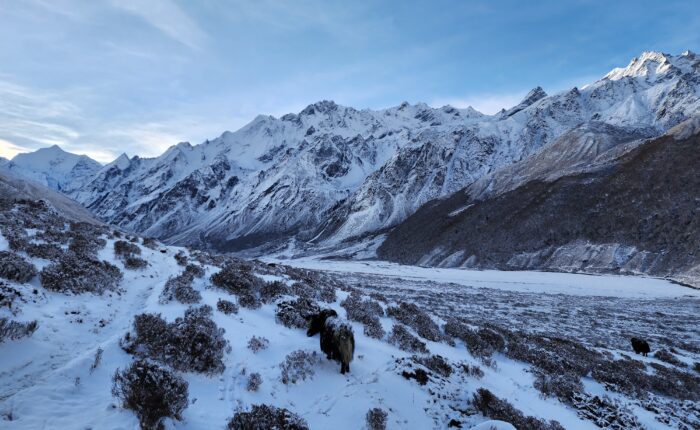

I recently completed the Everest Base Camp trek with my group through Hike to Horizon, and it was truly one of the best adventures of our lives. From the moment we arrived in Kathmandu until we reached Everest Base Camp, everything was perfectly organized and professionally managed.
Our guide was extremely knowledgeable, friendly, and always made sure everyone in the group was safe and comfortable throughout the trek. The porters were also hardworking and supportive, which made the journey much easier and more enjoyable. The itinerary was well planned with proper acclimatization days, allowing our entire group to complete the trek successfully.
The mountain views were absolutely breathtaking, especially the sunrise from Kala Patthar. Walking through beautiful Sherpa villages, suspension bridges, monasteries, and the stunning Himalayan landscapes made every day unforgettable.
What impressed us most about Hike to Horizon was their hospitality, quick communication, and genuine care for trekkers. Even as a group with different fitness levels, everyone felt encouraged and supported during the trek.
I highly recommend Hike to Horizon to anyone planning the Everest Base Camp Trek in Nepal. It was a safe, memorable, and lifetime experience for our whole group.